


February 23, 2026
0 comments


The average golfer owns 2.3 training aids. The average golfer's handicap has not meaningfully declined in 30 years. These two facts are related, but not in the way most people assume. The problem is not that training aids do not work. The problem is that most training aids address the wrong things, provide the wrong type of feedback, or require such a radical departure from your actual swing that the skills never transfer to the course.
Separating effective training aids from expensive garage clutter comes down to three criteria.
The Three Criteria That Matter
1. It Provides Tactile Feedback During the Motion
A training aid that only shows you results after the fact — on a screen, on video, in a readout — is useful for diagnosis but limited for motor learning. Your nervous system learns fastest when the feedback is immediate and physical. You need to feel the difference between correct and incorrect in real time, during the actual movement, so your body can self-correct on the next rep.
2. It Isolates One Fundamental at a Time
The golf swing involves a chain of movements happening in roughly 1.2 seconds. Trying to change everything at once changes nothing. Effective training aids isolate a single fundamental — wrist position, arm connection, rotation, face angle — and let you focus on that one variable until it becomes automatic. Devices that claim to fix your entire swing in one motion rarely produce lasting results. The swing has to be broken into components, trained individually, and then reassembled.
3. It Produces Results on the First Use
If a training aid requires weeks of practice before you see any change in your ball flight, the feedback loop is too slow. The best training aids produce a noticeable difference on the first session — not because they are magic, but because they isolate something specific enough that correcting it has an immediate, visible effect on contact and ball flight.
The Four Fundamentals That Control Your Ball Flight
Every shot you hit is governed by four physical variables. Regardless of swing style, body type, or experience level, these are the only things that determine where the ball goes:
- Clubface control: Face angle at impact determines 75-85% of the ball's starting direction. A cupped wrist opens the face; a flat wrist squares it.
- Arm connection: When the arms maintain the triangle between shoulders, arms, and hands, power transfers efficiently from body to club. When they disconnect, you lose speed and consistency.
- Rotation and posture: The body's rotation around a stable spine angle generates clubhead speed. Lose your posture, and the bottom of your arc moves, producing fat and thin shots.
- Putting precision: On the green, face angle and center contact determine whether a putt drops or misses. These are trainable variables, not innate talent.
A System, Not a Collection
The most effective approach is building a system that addresses all four fundamentals so improvement in one area reinforces the others. A square clubface is more effective when the arms are connected. Connected arms generate more speed when the body rotates properly. And none of it matters if you cannot convert well-struck approaches into made putts.
This is the logic behind the Watson Golf system:
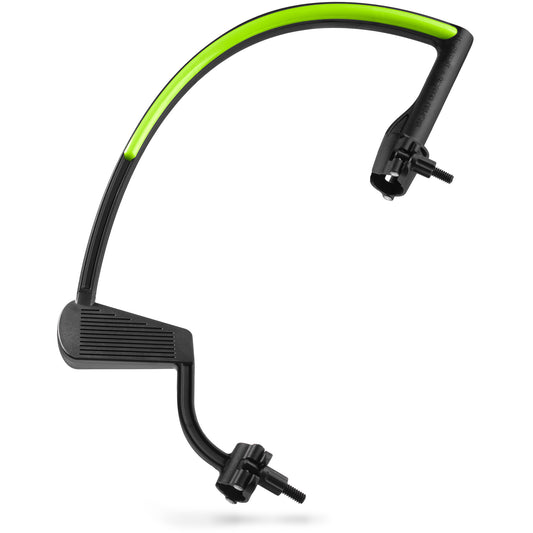
- theHANGER ($79.95) trains clubface control through the flat lead wrist — the single most important position at impact
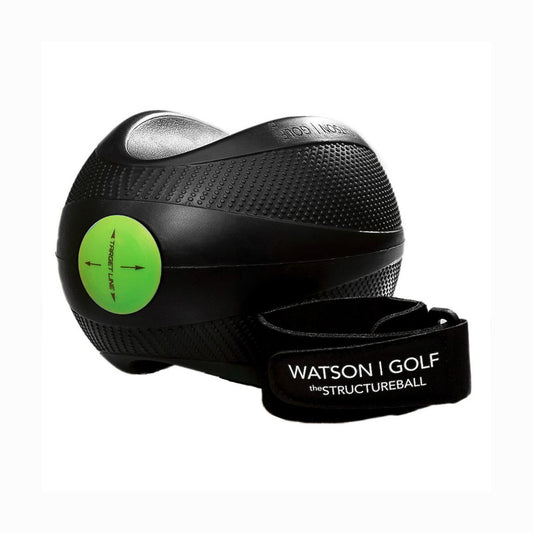
- theSTRUCTUREBALL ($79.95) trains arm connection, keeping the triangle intact through the hitting zone
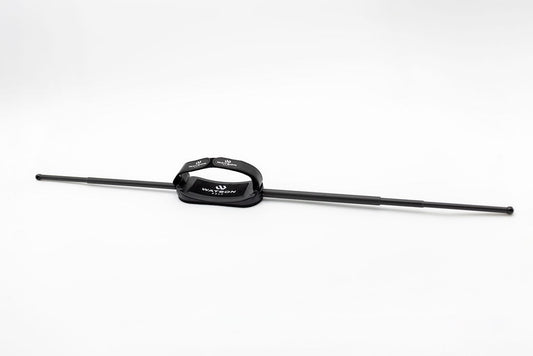
- theTILTSTICK ($99.95) trains rotation and posture — maintaining spine angle while the body turns through the ball
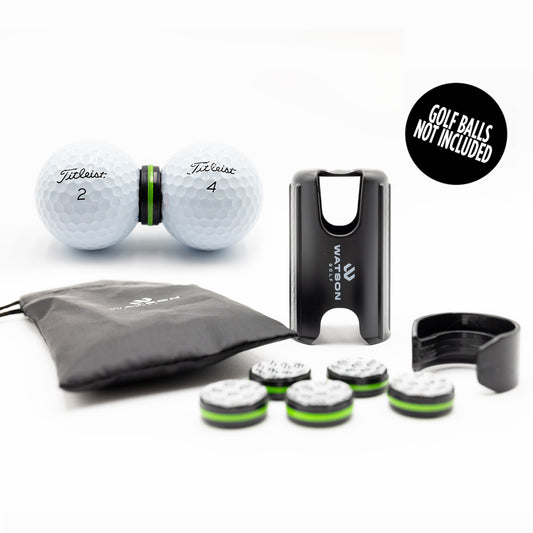
- thePuttGPT ($64.95) trains putting precision, isolating face angle and center contact on every stroke
Each tool meets all three criteria: tactile feedback during the motion, isolation of one fundamental, and visible results from the first session. Together, they form a complete system — a structured approach to the four variables that control every shot.
The Performance Bundle ($199.95) includes all four for 50% off the individual price. Four fundamentals. Four tools. One system built on geometry and physics, not luck.


