


October 13, 2025
0 comments


Most golfers practice the same way: grab a large bucket, hit driver for 20 minutes, work through the irons, maybe roll a few putts on the way to the car. It feels productive. It is not. This routine prioritizes the part of your game with the least impact on your score while ignoring the parts that matter most.
Strokes gained analysis — built on databases of over 100,000 shots — provides a clear picture of where scoring improvement actually lives. For the mid-handicapper, the biggest opportunities are consistently not where most practice time goes.
Where Your Strokes Are Actually Lost
Here is what the data shows for a typical 15-handicap golfer:
- Approach shots (100-200 yards): The single biggest area of stroke loss. Not the drive — the approach. Inconsistent contact and poor distance control from the fairway cost more strokes per round than any other category.
- Short game (inside 100 yards): 60-65% of all shots occur in this zone. Chips that roll 10 feet past, pitches that come up short — these strokes add up quietly and relentlessly.
- Putting (inside 10 feet): The 2-to-10-foot range is where handicaps are set. Converting two more putts per round from this distance drops your score by two strokes without changing anything else.
- Driving: Surprisingly, the smallest area of stroke loss for mid-handicappers. A drive in the rough costs less than you think compared to a missed 6-foot par putt.
The 30-Minute Routine
This allocates time proportionally to where strokes are most available, with specific drills and clear objectives — not mindless repetition.
Minutes 1-10: Putting
Start on the putting green. Not as a warm-up — this is the highest-value practice you can do.
- Gate drill (3 min): Two tees just wider than the ball on a straight 6-foot putt. Roll 15 putts through the gate. Track your percentage — this measures face-angle accuracy.
- Distance ladder (3 min): Tees at 3, 6, and 9 feet. Two putts to each distance, up the ladder and back. The goal is speed control — each miss finishes within 12 inches of the hole.
- Pressure putts (4 min): A breaking 5-footer. Make 5 in a row or start over. This simulates the par putt on 18 that separates a good round from an average one.
Minutes 11-18: Short Game
- Stock chip (4 min): One club (pitching wedge or 52-degree), one landing spot 3-4 paces onto the green. Hit 15 chips to that spot. Do not change clubs. Master one trajectory before expanding.
- Pitch to a circle (4 min): From 30-40 yards, lay a towel on the green. Hit 10 pitches trying to land on it. This teaches your body to calibrate effort to outcome from a distance where most amateurs have no reliable feel.
Minutes 19-28: Full Swing
- Focused iron work (6 min): One iron (7 or 8), 15 balls. Pick a specific target for each shot. Was the contact ball-first? Did the divot start at the ball? Every shot gets a grade. No mindless raking.
- Driver — 5 shots only (4 min): Five drives with full pre-shot routine. Pick a target, commit, execute. Five focused drives with intention are worth more than 50 balls hammered while your mind wanders.
Minutes 29-30: Review
Two minutes reviewing what worked and what needs more time next session. Log it in the Watson Golf Caddie — the free web app that tracks your practice focus areas and provides guidance based on where your game needs the most attention.
Making Practice Count With the Right Feedback
Structure without feedback is going through the motions. The reason most practice fails to translate into lower scores is the absence of immediate feedback telling your body what to repeat and what to correct.
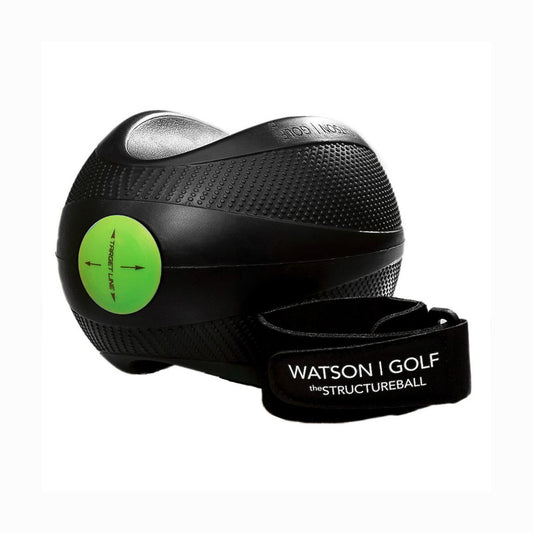
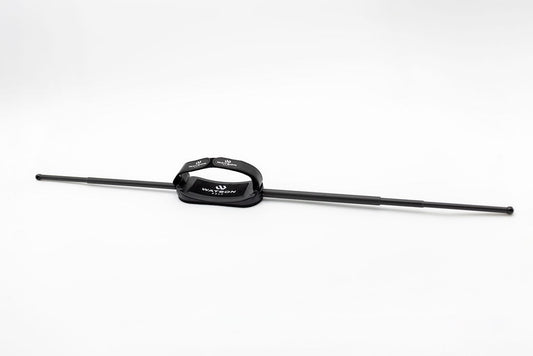
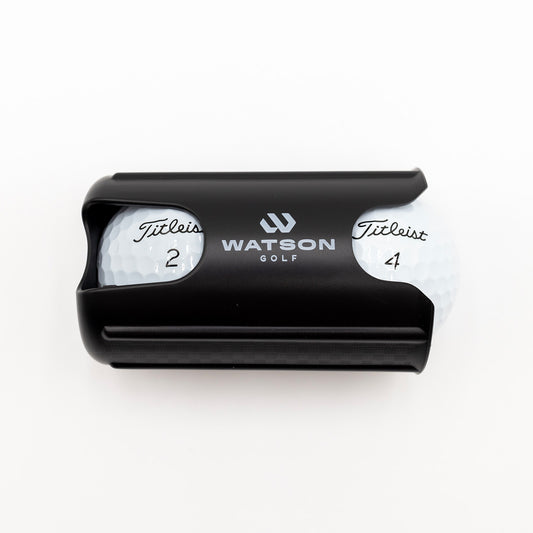
The Watson Golf Performance Bundle ($199.95) includes training aids for all four fundamentals — clubface control, arm connection, rotation, and putting — so every segment of this routine has the feedback it needs. Thirty minutes. Four fundamentals. Built on data, not tradition.
Your scores will not drop because you practice more. They will drop because you practice the right things, in the right order, with the right feedback. That is the difference between hitting balls and getting better.


