



July 01, 2025
0 comments


Breaking 90 is the first meaningful milestone in golf. It separates the golfer who is "figuring things out" from the golfer who can actually play. And the gap between a 95 and an 89 is not as large as it feels when you are on the wrong side of it.
The difference is roughly six shots — one less double bogey per nine holes, or one more up-and-down per nine. It is not a swing overhaul. It is a handful of specific improvements applied to the shots that matter most.
Where the Strokes Are Hiding
Mark Broadie's Strokes Gained research — built from more than 100,000 real shots — reveals where strokes are actually lost for the golfer shooting in the low 90s:
- Approach shots (100-200 yards): The biggest gap. Not because you need to hit more greens, but because your misses need to be less severe. A shot that ends up 60 feet from the pin instead of in a greenside bunker saves half a stroke.
- Short game (inside 100 yards): The second biggest gap. This is where doubles and triples are born — the chunked chip, the bladed bunker shot, the three-putt from 40 feet after a poor pitch.
- Putting: Specifically the 5-to-15-foot range. At this level, you are not missing short putts constantly. You are missing the putts that would save bogey and occasionally make par.
- Driving: The smallest gap. This surprises most golfers, but the data is clear. Unless you are regularly losing balls off the tee, your driver is not the problem.
The 3 Mechanical Fixes That Move the Needle
Knowing where you lose strokes tells you what to fix. For the golfer shooting 90-95, three specific improvements produce the fastest results:
1. Consistent Contact on Approach Shots
You do not need to hit the ball farther. You need to hit it more solidly. The difference between a well-struck 7-iron and a thin or fat one is 20-30 yards of carry. Consistent contact comes from a flat lead wrist through impact (so the low point is at or ahead of the ball) and connected arms (so the body controls the swing, not the hands). These are trainable positions that require correct repetitions with clear feedback.
2. Reliable Chipping and Pitching
When you miss a green — and you will miss plenty shooting in the 90s — the next shot determines whether you make bogey or double. The most common error is scooping: trying to lift the ball instead of letting the loft do the work. The fix is maintaining wrist structure through the chip, keeping the handle ahead of the clubhead. This is the same flat-wrist principle that governs full shots, applied at a smaller scale.
3. Putt Speed Control
Inside 15 feet, the golfer shooting 90-95 does not have a line-reading problem. They have a speed problem. The ball either dies short or runs 4 feet past, turning a one-putt into a three-putt. Consistent speed comes from a consistent stroke — same tempo, same acceleration, same face angle. When your putter face is square and your path is stable, the ball rolls predictably, and distance control becomes intuitive rather than a guess.
Where to Spend Your Practice Time
If you are trying to break 90, the most efficient allocation of practice time looks nothing like what most golfers do:
- 40% short game and chipping. Hit 30-50 yard pitches and greenside chips with focus on clean contact and wrist position.
- 30% putting. Specifically the 5-to-12-foot range. These are the putts that save bogey.
- 20% mid-iron approach shots. 7-iron through pitching wedge, focusing on solid contact, not distance.
- 10% driver. Enough to stay in play, no more.
The Equipment That Accelerates the Process
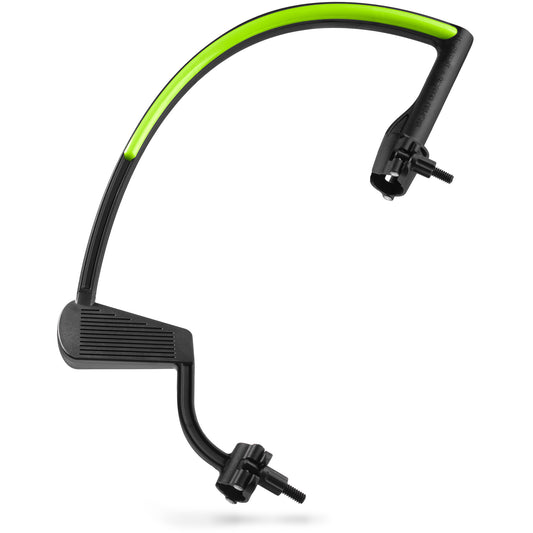
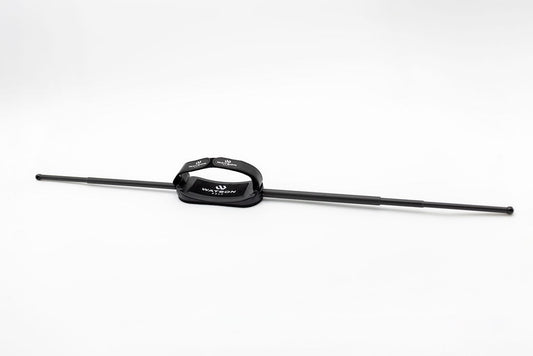
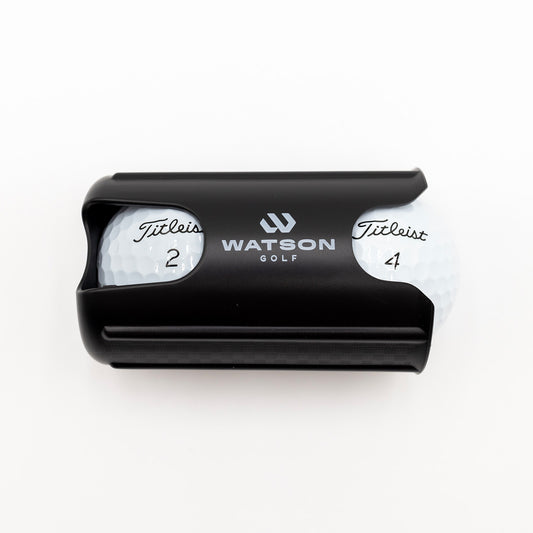
The three mechanical improvements above — flat wrist through impact, connected arms, and a consistent putting stroke — are exactly what the Watson Golf Performance Bundle is designed to train. theHANGER builds the wrist structure. theSTRUCTUREBALL keeps the arms connected. thePuttGPT trains a reliable putting stroke.
Breaking 90 is not about overhauling your game. It is about making three specific improvements and spending your practice time where the data says it matters. Six shots. That is all that separates you from the other side of 90.


