



June 07, 2025
0 comments


No concept in golf is more pursued and less understood than lag. Golfers watch slow-motion video of tour pros, see that dramatic angle between the lead arm and the club shaft halfway down, and want to know how to get it. The internet obliges with tips like "hold the angle" and "pull the butt of the club at the ball." Most of this advice creates tension, deceleration, and frustration — because lag is not something you do. It is something that happens when other things are right.
What Lag Actually Is
Lag is the retention of the wrist angle during the downswing. At the top of the backswing, there is approximately a 90-degree angle between your lead arm and the club shaft. In an efficient swing, that angle is maintained well into the downswing and only releases just before impact. The clubhead trails the hands on the way down, storing energy like a whip before the crack.
Homer Kelley, who analyzed the swing as an engineering problem, described this as the same principle that makes a cracking whip faster at the tip than at the handle. Energy transfers sequentially — body, then arms, then hands, then clubhead — and each segment accelerates the next.
Why "Holding the Angle" Is the Wrong Idea
Here is where most golfers go wrong. They see the angle and try to preserve it through conscious effort — gripping tighter, pulling down with the arms, deliberately preventing the wrists from unhinging. Forced lag creates tension. Tension slows the swing down. A tense, held angle cannot release freely, producing a choppy, decelerating motion that actually reduces clubhead speed. The golfer trying to "hold lag" often hits the ball shorter than someone swinging naturally.
The angle is not held. It is maintained passively, as a consequence of other things happening correctly.
How Lag Happens Naturally
Lag is a result, not a cause. It happens when three conditions are met:
- The body leads the downswing. The lower body initiates the downswing before the arms and club have finished going back, creating a stretching effect that keeps the club trailing. If the hands start the downswing, the angle releases immediately.
- The arms stay connected to the body's rotation. When the arms are connected, the body's turn controls the downswing speed. The wrists stay hinged because the body is pulling them, not the other way around. Disconnected arms cannot maintain lag because they have no rotational force holding the angle.
- The lead wrist stays flat. A flat wrist maintains the geometric relationship between arm and shaft. When the wrist cups, the angle releases prematurely. The wrist does not need to be rigid — just structurally sound enough to maintain the angle until the right moment.
None of these conditions involves thinking about the angle itself. You create lag by getting the sequence right: body leads, arms stay connected, wrist stays flat. The angle takes care of itself.
What You Actually Feel
Golfers who swing with proper lag describe effortlessness — the sensation that the club is doing the work, not the hands. There is a heaviness in the clubhead on the downswing, a feeling of it trailing behind, and then a snap of acceleration through the ball. Bobby Jones wrote that feel is the only real guide in golf. The feel of lag is not strain or effort. It is a loose, sequenced motion where everything happens in the right order.
Training the Conditions, Not the Symptom
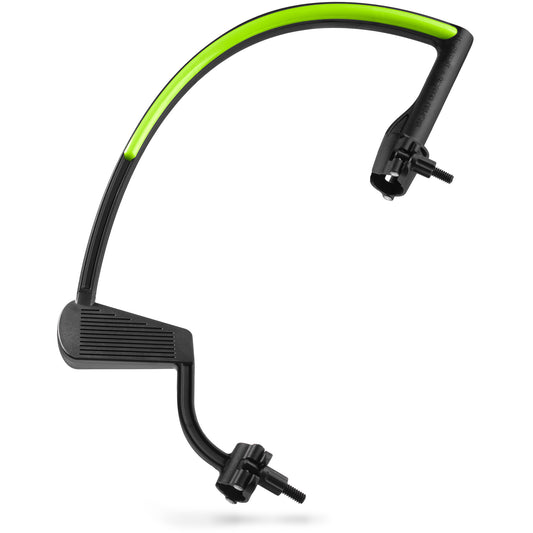
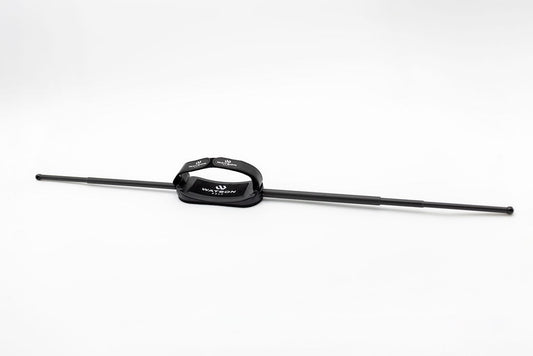
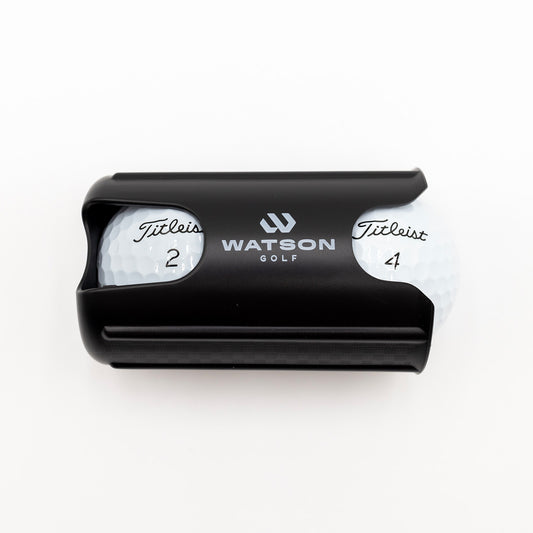
If you want more lag, do not practice "holding the angle." Practice the conditions that produce it. theHANGER trains the flat lead wrist that preserves the angle through impact. theSTRUCTUREBALL trains the arm connection that keeps the body in control of the downswing sequence.
Together, they address two of the three conditions for natural lag. The third — body-led sequencing — develops naturally when the arms are connected and the wrist is structurally sound, because the body has no choice but to lead when the arms are not trying to do the work independently.
Lag is not a technique. It is a byproduct of sound mechanics. Train the mechanics, and the lag you have been chasing will show up on its own.


